
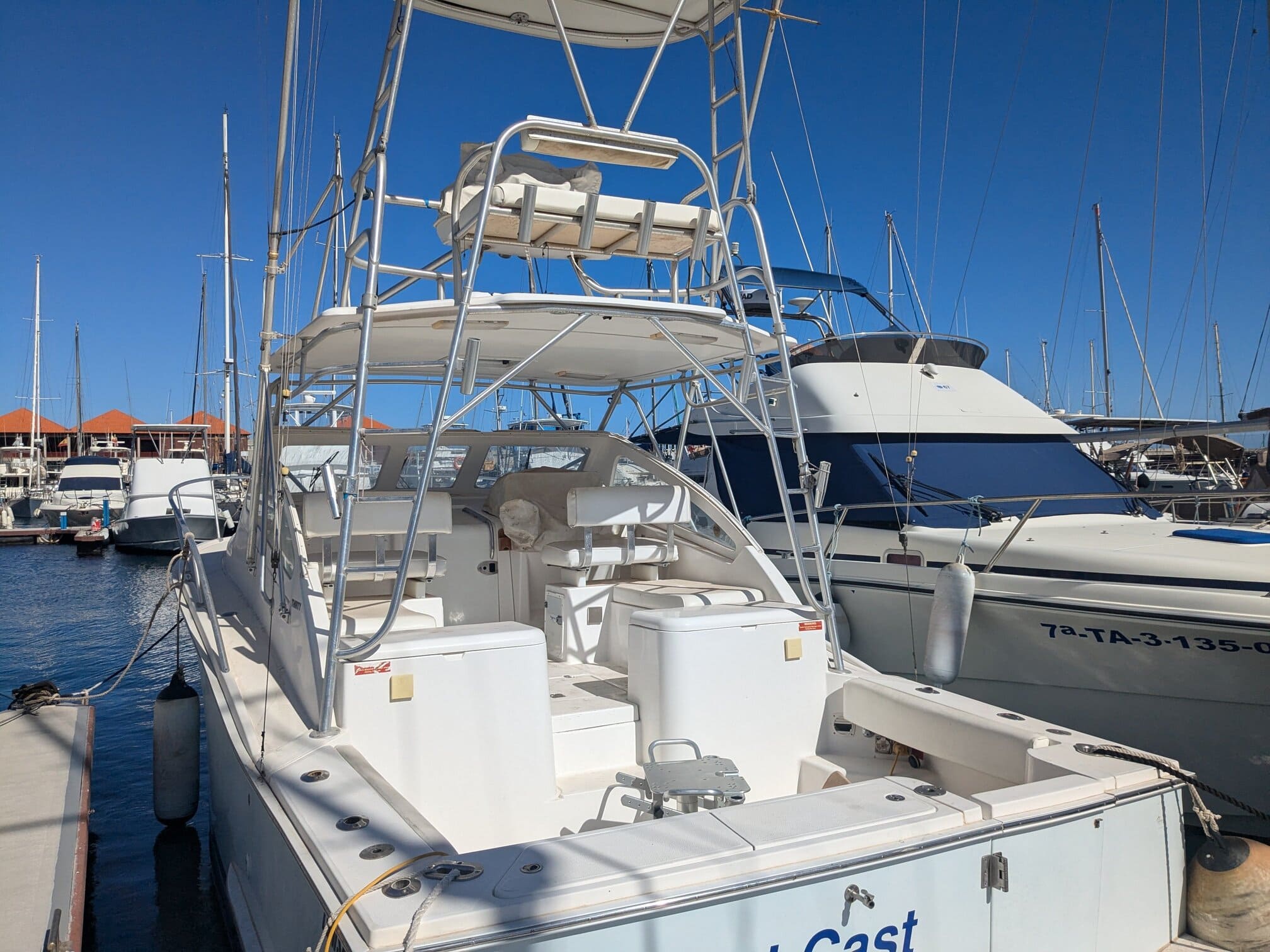
What Is a <a href="https://stuart-mobileboatmechanic.com/">Mobile Boat Mechanic</a> and Why Does It Matter?
When your boat breaks down at the marina or sits dead in the water at the dock, the last thing you want is to arrange a costly haul-out or wait days for a shop appointment. A mobile boat mechanic comes directly to your vessel — whether it’s docked at a slip, sitting on a trailer in your driveway, or anchored at a local boat ramp — and performs repairs and diagnostics on-site. For boat owners who rely on their vessels for fishing, recreation, or work, this kind of service can be the difference between a ruined weekend and getting back on the water the same day.
Common Repairs a Mobile Mechanic Can Handle On-Site
Many boat owners assume that complex repairs always require a full-service boatyard. In reality, a qualified mobile technician can handle a wide range of issues without ever pulling your boat out of the water.
Common on-site services include:
- **Engine diagnostics and tune-ups** — Outboard and inboard engines can be tested, adjusted, and repaired at your location using portable diagnostic tools.
- **Fuel system issues** — Clogged fuel filters, failing fuel pumps, and carburetor problems are all common and very manageable in the field.
- **Electrical troubleshooting** — Dead batteries, faulty wiring, bilge pump failures, and navigation light issues are well within a mobile mechanic’s scope.
- **Impeller and cooling system service** — Overheating is one of the most frequent engine problems, and replacing a water pump impeller is a straightforward dockside job.
- **Starter and charging system repairs** — If your engine won’t crank or your alternator isn’t charging, a mobile tech can diagnose and often fix this without a haul-out.
Obviously, major structural work or below-the-waterline hull repairs still require a boatyard. But the majority of mechanical headaches boat owners face fall squarely into the mobile service category.
The Real Cost Comparison: Mobile Service vs. Traditional Boatyard
A lot of boaters hesitate when they see a mobile mechanic’s hourly rate, assuming a shop would be cheaper. But the full picture looks different once you factor in the real costs of traditional service.
Hauling a boat out of the water involves lift fees, blocking fees, and often daily storage charges while your vessel waits for attention. Then there’s the time and logistics of trailering — if your boat is even trailerable. A mobile technician eliminates those overhead costs entirely. You pay for the labor and parts, not the infrastructure.
Beyond money, there’s the convenience factor. A mobile mechanic can often schedule same-day or next-day visits, while busy boatyards may have appointment waits that stretch across multiple weeks during peak season. If you’re trying to make a fishing trip or a family outing, that timeline matters enormously.
How to Vet and Choose a Reliable Mobile Boat Mechanic
Not all mobile mechanics are equal, and since they’re working on expensive equipment, due diligence is worth the effort.
**Look for relevant certifications.** The American Boat and Yacht Council (ABYC) and the National Marine Electronics Association (NMEA) offer recognized credentials. Many outboard manufacturers — Yamaha, Mercury, Honda, Evinrude — also offer factory certification programs. Ask specifically which engine brands a technician is trained on.
**Check their insurance.** A legitimate mobile marine mechanic should carry general liability insurance. If something goes wrong during a repair, you want that protection in place.
**Read reviews carefully.** Look for reviews that mention specific repairs, not just vague praise. A pattern of successful engine work or electrical troubleshooting tells you much more than a generic five-star rating.
**Ask about parts sourcing.** A trustworthy tech will be transparent about where parts come from and whether they use OEM (original equipment manufacturer) components or aftermarket alternatives. Both can be appropriate depending on the repair, but you should know what you’re getting.
Getting the Most Out of a Mobile Service Visit
A little preparation on your end helps the mechanic work efficiently and keeps your costs down.
Before the technician arrives, write down a clear description of the problem — when it started, what symptoms you’ve noticed, any error codes displayed, and what you’ve already tried. If the issue is intermittent, note the conditions under which it appears (cold starts, high RPM, after extended running, etc.).
Make sure the boat is accessible. If it’s in a slip, clear any lines or gear that might block access to the engine compartment. If it’s on a trailer, position it somewhere flat with reasonable working room on all sides.
Having your engine’s model and serial number ready also speeds things up considerably, since it helps the mechanic confirm the right parts before the visit.
The Bottom Line
For most routine and mid-level repairs, a mobile boat mechanic offers genuine advantages in speed, convenience, and total cost. Choosing a certified, insured professional and preparing properly for the visit means you spend less time waiting and more time on the water — which is exactly where you want to be.