
What <a href="https://stuart-mobileboatmechanic.com/marine-diagnostic-services/">Marine Diagnostic Services</a> Actually Involve
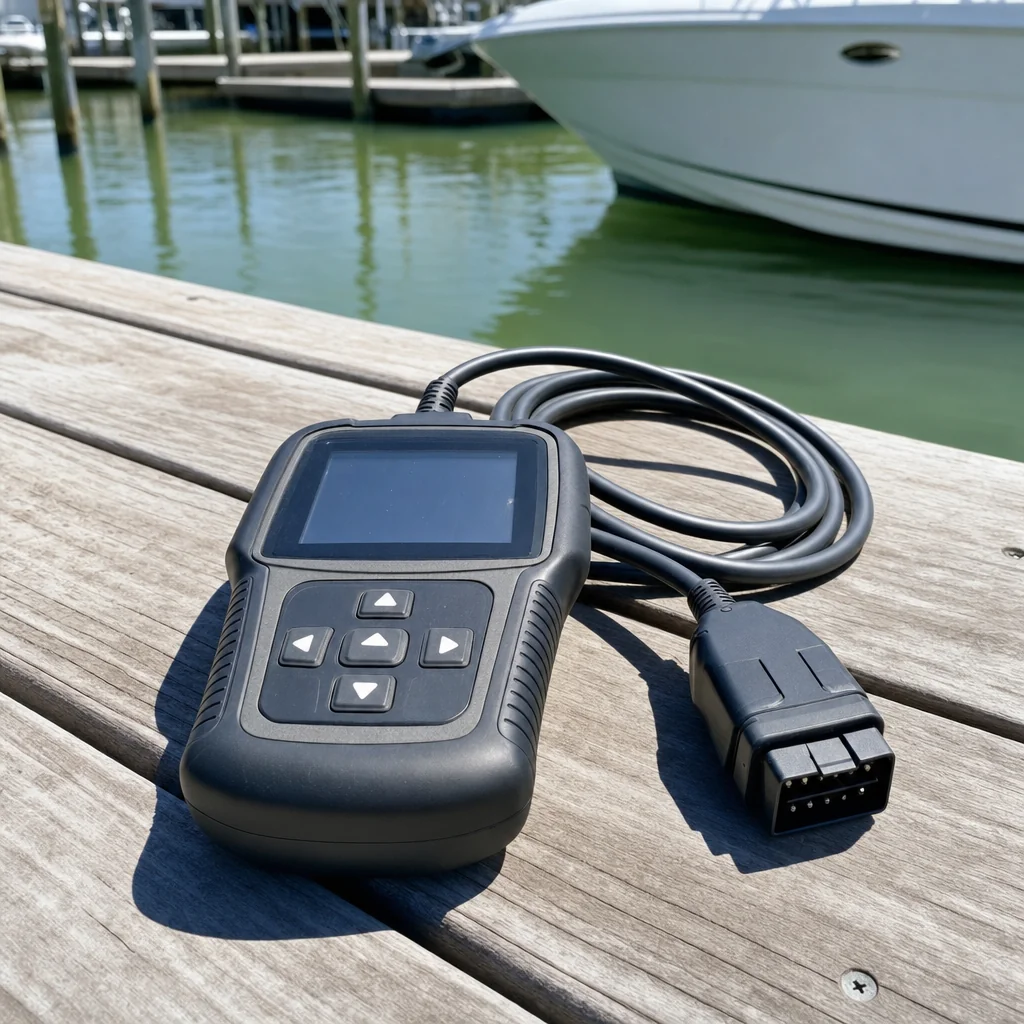
When something feels off with your boat — a rough idle, unexpected power loss, or warning lights on the helm display — marine diagnostic services are the professional starting point for figuring out exactly what’s wrong. Unlike guesswork or trial-and-error part replacements, proper marine diagnostics use specialized tools and software to communicate directly with your engine’s electronic control module (ECM), read fault codes, and pinpoint problems with precision. Think of it as a health check that speaks the engine’s own language.
Modern marine engines from manufacturers like Mercury, Yamaha, Volvo Penta, and Suzuki are highly computerized. Many faults won’t even be visible to the naked eye — they exist as stored data within the engine management system. A trained technician with the right diagnostic equipment can pull that data in minutes, saving you hours of unnecessary labor and expense.
Common Problems Caught Early Through Diagnostics
One of the biggest advantages of routine diagnostic checks is catching small issues before they become expensive failures. Here are some of the most common problems that show up during a marine diagnostic session:
- **Fuel system irregularities** — injector misfires, fuel pressure drops, or throttle body issues that rob performance gradually
- **Sensor failures** — faulty oxygen sensors, temperature sensors, or MAP sensors that cause the engine to run rich or lean
- **Ignition faults** — coil pack or spark plug problems that won’t always trigger obvious symptoms until they worsen
- **Overheating warnings** — cooling system restrictions or impeller wear that the ECM flags before serious damage occurs
- **Electrical gremlins** — corroded grounds or wiring faults that cause intermittent behavior and are notoriously hard to trace without proper tools
Catching any one of these early can mean the difference between a minor service visit and a major engine rebuild.
Why Salt Water and Humidity Make Diagnostics More Critical
Marine environments are uniquely harsh on mechanical and electrical systems. Salt air accelerates corrosion on connectors, terminals, and sensor housings. Humidity works its way into wiring harnesses and control modules. Even freshwater boaters deal with moisture-related issues that don’t affect land vehicles in the same way.
Because of this environment, marine engines often develop faults that look like mechanical problems but are actually electrical — and vice versa. A technician who only checks the obvious mechanical components may miss a corroded sensor connector that’s sending false data to the ECM, causing the engine to behave erratically. Diagnostic software bridges that gap by showing exactly what data the engine is receiving and acting on, regardless of what the hardware looks like on the outside.
This is why marine diagnostics isn’t just for when something goes wrong. Many experienced boaters schedule a diagnostic scan at the start of each season to confirm everything is communicating correctly after months of storage.
How to Prepare for a Marine Diagnostic Appointment
Getting the most out of a diagnostic visit starts before you ever drop the boat off. Here are a few practical steps:
1. **Note when symptoms occur** — Does the problem happen at idle, wide-open throttle, or only after the engine warms up? Specific conditions help the technician reproduce the fault. 2. **Write down any warning lights or alarm codes** — Even if they cleared on their own, codes that have been stored and erased leave a history in the ECM. 3. **Mention recent work** — If you’ve had the engine serviced, parts replaced, or wiring touched recently, tell the technician. Sometimes new problems trace back to a previous repair. 4. **Don’t top off the fuel tank** — A completely full tank can make certain fuel vapor and evaporative system tests harder to run accurately.
The more information you bring, the faster and more accurately a technician can isolate the issue.
Choosing the Right Marine Technician for Diagnostics
Not every boat mechanic has the software licenses and interface tools required to diagnose modern marine engines properly. When choosing a service provider, look for technicians who are certified by the engine manufacturer or hold credentials through organizations like the American Boat and Yacht Council (ABYC). Ask specifically whether they have the OEM diagnostic software for your engine brand — generic scan tools often can’t access the full range of marine-specific fault codes.
A reputable shop will also explain what they found in plain language, show you the fault codes and live data readings, and give you a clear breakdown of recommended repairs before any work begins. Transparency in the diagnostic process is a sign of a trustworthy operation.
Taking your boat to a qualified technician for regular diagnostic checks is one of the smartest investments you can make in the life of your engine — and in the reliability of every trip out on the water.